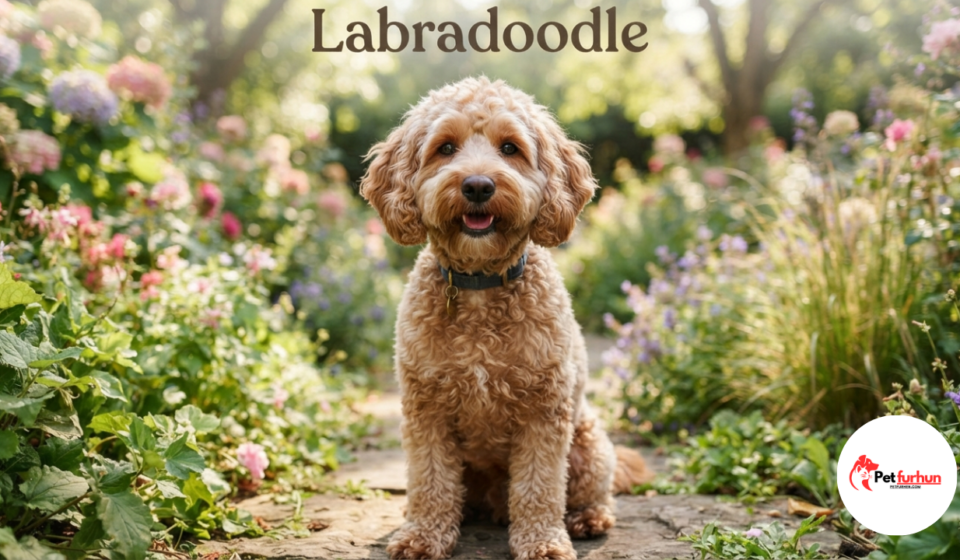

A Labradoodle is one of the most recognizable designer dog breeds in the world, known for its soft coat, friendly expression, and strong family appeal. It is a cross between a Labrador Retriever and a Poodle, originally bred to combine the Labrador’s steady personality with the Poodle’s low-shedding coat traits. Over time, the Labradoodle has become popular in homes, therapy work, and service roles, although its traits can vary depending on breeding.
What makes this dog especially interesting is not just its popularity but its unpredictability. Unlike standardized pure breeds, Labradoodles can differ in size, coat type, and temperament even within the same litter. This variation is important for anyone considering bringing one home, because expectations need to match reality rather than marketing descriptions.
Origin and Development of the Labradoodle
The Labradoodle was first intentionally bred in 1989 in Australia by Wally Conron, who was working with the Royal Guide Dogs Association. The aim was practical: to create a guide dog suitable for individuals with allergies while maintaining the intelligence and trainability of a Labrador Retriever. The first planned cross showed promise, but it also opened the door to widespread designer breeding.
As demand grew, Labradoodles spread quickly beyond Australia and into North America and Europe. However, without strict breeding standards, the breed developed into multiple lines with different characteristics. Some breeders focused on multigenerational Labradoodles, while others continued first-generation crosses. This is why Labradoodles today are considered a hybrid rather than a fully standardized breed.
Physical Appearance and Size Variations
A Labradoodle does not have a single fixed appearance, which is one of its defining features. Some dogs inherit the Labrador’s sturdy build and short coat texture, while others resemble the Poodle with a more curly and lightweight coat. This variation is completely normal and depends on genetic inheritance from both parents.
In terms of size, Labradoodles are generally grouped into three categories: miniature, medium, and standard. Miniature Labradoodles are smaller and often weigh under 15 kilograms, while standard Labradoodles can reach 20 to 40 kilograms or more depending on lineage. Their height and body shape also vary, which is why two Labradoodles from different breeders can look like very different dogs.
Coat color adds another layer of diversity. Common shades include cream, gold, chocolate, black, and apricot. Because of this wide variation, appearance is never fully predictable, even when both parents are known.
Temperament and Personality Traits
Most Labradoodles are known for being social, affectionate, and people-oriented. They tend to form strong bonds with their families and often prefer being close to humans rather than spending long hours alone. This makes them well-suited for households where someone is usually home or where the dog is included in daily routines.
Their intelligence comes from both parent breeds. Labradors are known for their steady obedience, while Poodles are highly intelligent and quick to learn. When combined, this often produces a dog that responds well to training, especially when positive reinforcement methods are used consistently.
However, temperament is not identical across all Labradoodles. Some are calm and relaxed, while others are more energetic and alert. Early socialization plays a major role in shaping behavior, especially during the first few months of life.
Exercise Needs and Daily Lifestyle
A Labradoodle is not a low-energy dog. Most require regular daily exercise to stay balanced both physically and mentally. Walks alone are usually not enough. They benefit from a mix of physical activity and mental engagement, such as training exercises, puzzle toys, and interactive play.
Without enough stimulation, Labradoodles can become restless. This may lead to unwanted behaviors like chewing, digging, or excessive barking. The level of activity needed depends on size and genetics, but most Labradoodles do best with at least moderate daily exercise.
This breed fits best in active households. Families who enjoy outdoor time, walking, or play sessions will usually find the Labradoodle easier to manage compared to more sedentary owners.
Grooming and Coat Maintenance
One of the most misunderstood aspects of Labradoodles is their coat. Many people assume they are fully hypoallergenic or low-maintenance, but this is not always true. While some Labradoodles shed very little, others shed moderately depending on which parent they take after.
Their coat can be straight, wavy, or tightly curled. Curly and fleece-type coats often require more grooming because they can mat if not brushed regularly. Most Labradoodles need brushing several times per week to maintain coat health and prevent tangles.
Professional grooming is also part of routine care, typically every six to eight weeks. This includes trimming, coat shaping, and general hygiene maintenance. Without this care, the coat can become uncomfortable for the dog and difficult for the owner to manage.
Health and Lifespan Considerations
Labradoodles are generally healthy dogs, but they can inherit conditions from both parent breeds. Common concerns include hip and elbow dysplasia, eye conditions, and certain hereditary issues found in Labradors and Poodles. Responsible breeding practices significantly reduce these risks, but they cannot eliminate them completely.
Their average lifespan is typically between 10 and 14 years, depending on size, genetics, and lifestyle. Smaller Labradoodles often live slightly longer than larger ones, which is common among many dog breeds.
Regular veterinary care, a balanced diet, and proper exercise all contribute to long-term health. Early screening for genetic conditions is also recommended by many veterinarians, especially for dogs from less regulated breeding backgrounds.
Living With a Labradoodle
Living with a Labradoodle is often described as engaging and interactive. These dogs do not usually enjoy being ignored or left alone for long periods. They prefer companionship and tend to follow their owners from room to room.
They also adapt well to different living environments as long as their exercise and social needs are met. Whether in a house with a yard or an apartment with regular walks, their comfort depends more on attention and activity than space alone.
For first-time dog owners, the Labradoodle can be a rewarding experience, but it requires commitment. Grooming, training, and emotional engagement are ongoing responsibilities rather than occasional tasks.
Conclusion
The Labradoodle is a modern hybrid dog that offers intelligence, affection, and strong family compatibility, but it also comes with variability that owners must understand. Its appearance, temperament, and grooming needs are not fixed, which makes each dog unique.
For the right household, this breed can be a loyal and lively companion. But success with a Labradoodle depends less on expectation and more on consistent care, training, and attention to its daily needs.